Is It Legal to Remove Watermarks from Videos? Complete Fair Use & DMCA Guide
A thorough legal analysis of US Copyright Law Section 1202, the DMCA, and Fair Use doctrine. Discover what is legal, what constitutes copyright infringement, and how creators protect themselves.
Intellectual Property & Digital Media Analysts
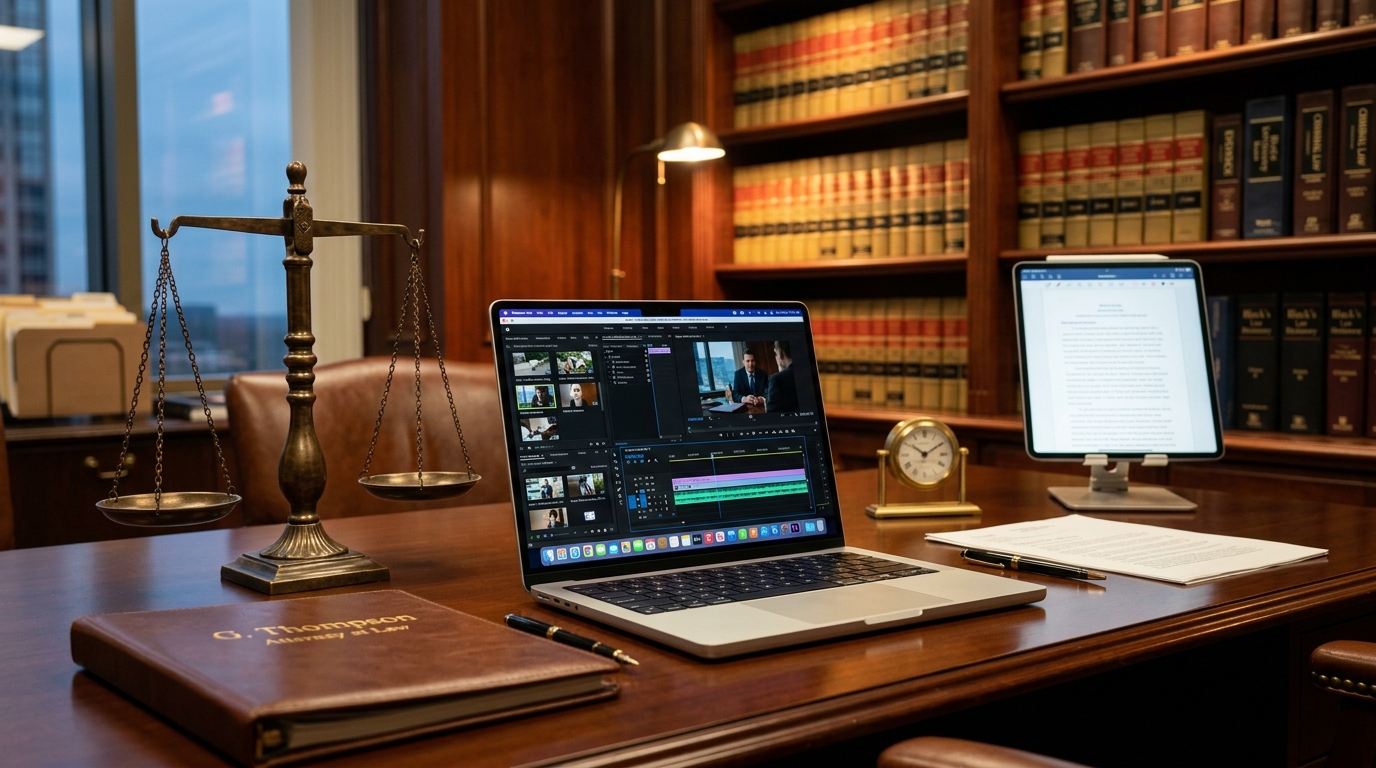
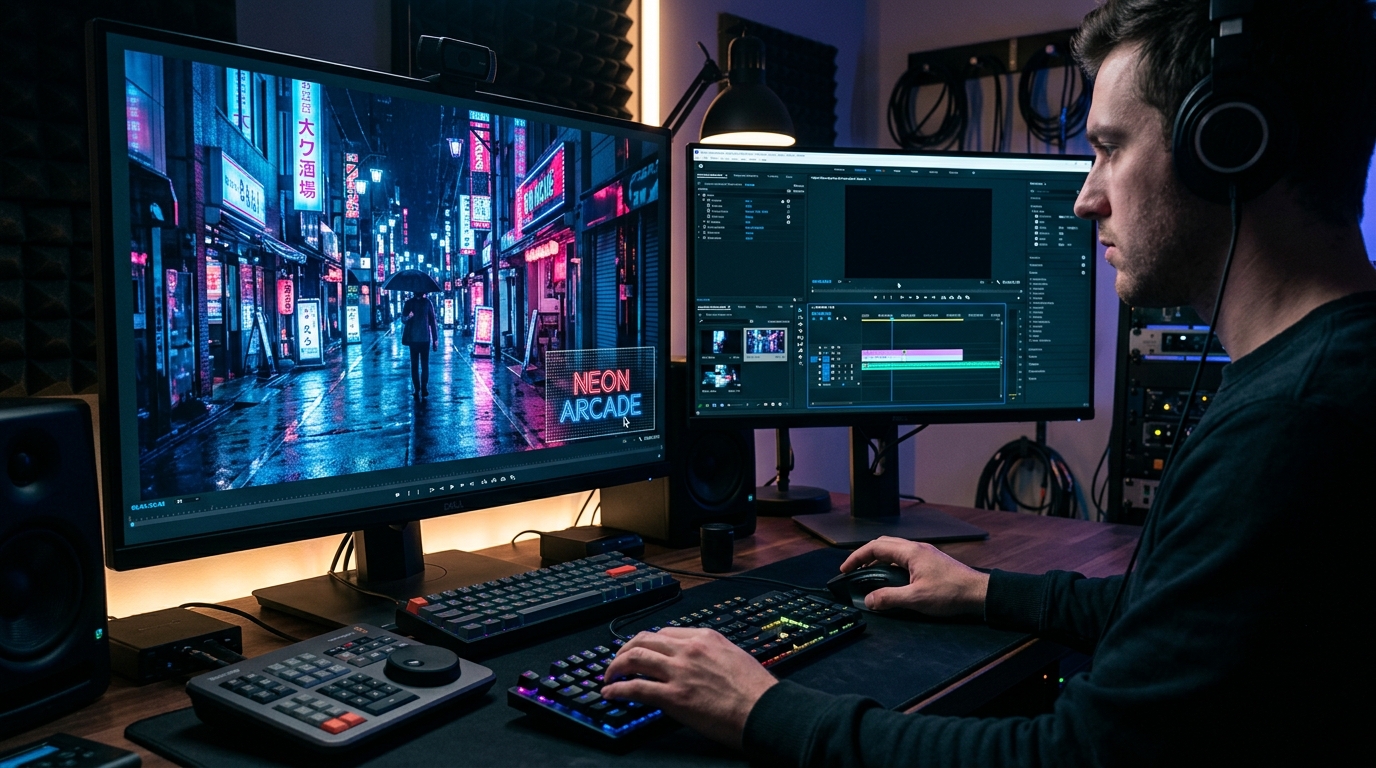
Visual analysis: Zero-blur temporal inpainting isolating and removing Copyright & Law watermark badges cleanly.
Have a Copyright & Law clip to clean right now?
Our free browser studio erases watermarks with zero blur in under 15 seconds.
Table of Contents
Copyright Law Demystified: US Copyright Act Section 1202 & CMI
The 4 Factors of Fair Use in Video Editing
AI Watermarks (Veo, Sora, Wan): Can AI Outputs Be Copyrighted?
5 Golden Rules for Freelancers and Agencies to Stay 100% Compliant
Frequently Asked Questions About Copyright & Law
Verified answers to the most common questions regarding Copyright & Law watermark removal, legality, and resolution preservation.
Is it illegal to remove a watermark from a video I created myself in CapCut or TikTok?
▼
No, it is 100% legal. You own the copyright to your original recordings. Removing platform branding, handles, or template outro screens from your own creative work violates no copyright laws.
Can I legally remove Google Veo or OpenAI Sora AI watermarks?
▼
Yes. Under federal court and US Copyright Office rulings, raw AI-generated video outputs cannot receive copyright protection. Prompt creators are legally free to clean, edit, and commercialize AI video outputs.
What is Section 1202 of the DMCA regarding watermarks?
▼
17 U.S. Code § 1202 makes it unlawful to knowingly remove Copyright Management Information (CMI) only if done with the intent to induce, enable, or conceal copyright infringement. Watermark removal for lawful purposes like personal restoration or internal animatics is permitted.
Can agencies remove stock video watermarks for client pitch decks?
▼
Yes. Creating internal animatics, mockups, and pitch treatments under Fair Use is standard practice among creative agencies, provided you purchase the official commercial license before public broadcast.
Does Ghostmark store, cache, or share uploaded video files?
▼
No. Ghostmark enforces a strict Zero File Retention policy. All processing is executed securely in memory and deleted immediately upon download, ensuring full confidentiality for agencies and enterprise clients.
Try Ghostmark AI Studio
Free browser-based AI video studio with zero file retention, microsecond audio preservation, and instant preview.
Related Guides & Inpainting Tutorials
 AI Model Watermarks
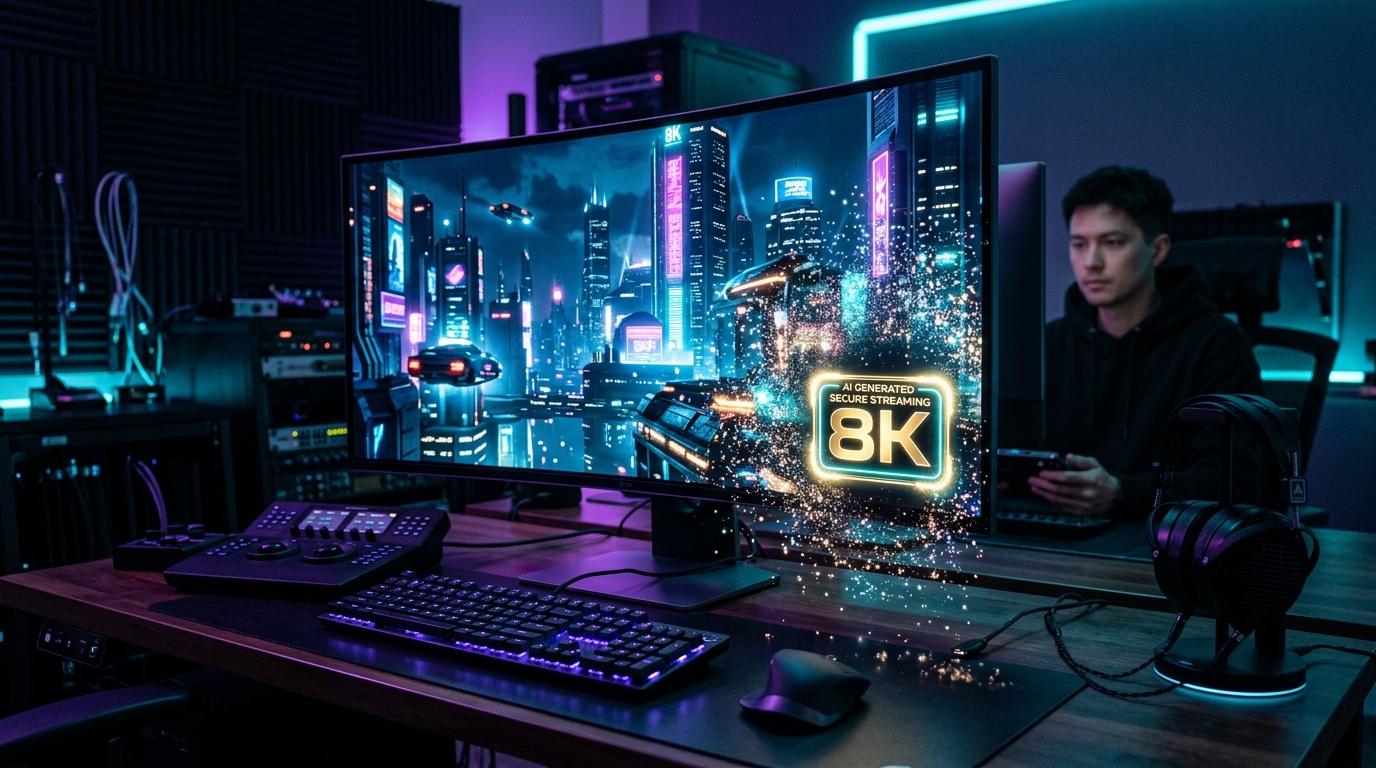
How to Remove Google Veo Watermarks Without Blur: Complete 2026 Guide
A deep-dive tutorial explaining why Google Veo videos come with watermark badges, why Gaussian blur destroys cinematic scenes, and how temporal optical flow inpainting seamlessly restores obscured pixels in seconds.
 AI Model Watermarks
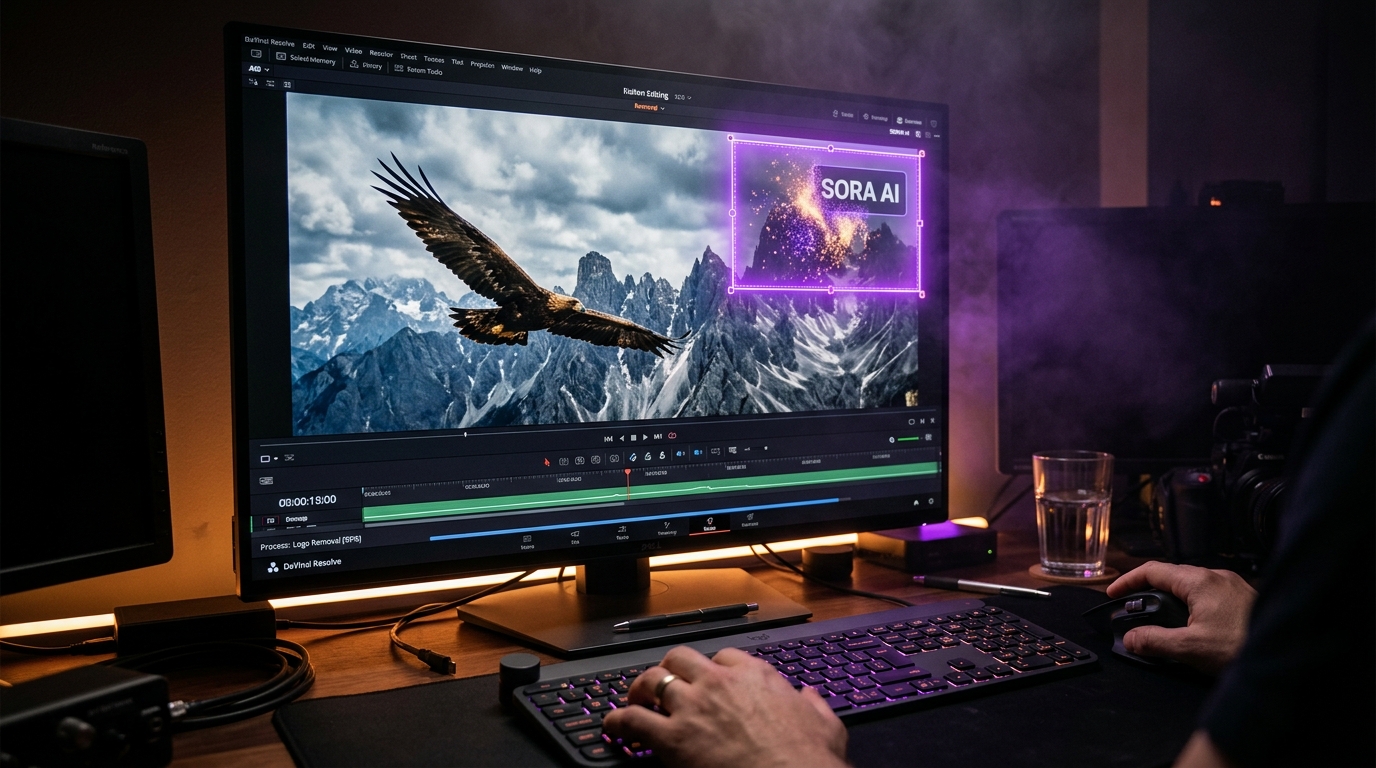
How to Clean OpenAI Sora Watermarks: Erase Floating Logos Cleanly
Master OpenAI Sora watermark removal. Learn why Sora's semi-transparent floating logos require temporal optical flow rather than static blur filters to restore cinematic motion vectors.
 AI Model Watermarks
Wan 2.1 AI Video Watermark Remover: Clean High-Resolution Generations
Everything you need to know about removing watermarks from Alibaba Wan 2.1 open-source and cloud generations. Discover how temporal optical flow restores neon lighting and fast motion.